How much user research is enough before starting wireframes?
There's no magic number—it depends on your project scope and timeline. Most teams find that 5-8 quality user interviews reveal consistent patterns. You don't need perfection; you need enough insight to make informed design decisions. Many studios run 3-4 interviews initially, create wireframes, test those with users, then refine. It's iterative, not linear.
Should wireframes include visual design or stay low-fidelity?
Low-fidelity wireframes focus on layout, content hierarchy, and interaction flow—they deliberately avoid color and styling to keep conversations centered on structure. High-fidelity wireframes include visual design decisions. The choice depends on your stakeholders and testing goals. Early-stage exploration? Stay low-fidelity. Presenting to clients who struggle with abstraction? Add more visual detail.
How do you communicate user journey maps to non-design team members?
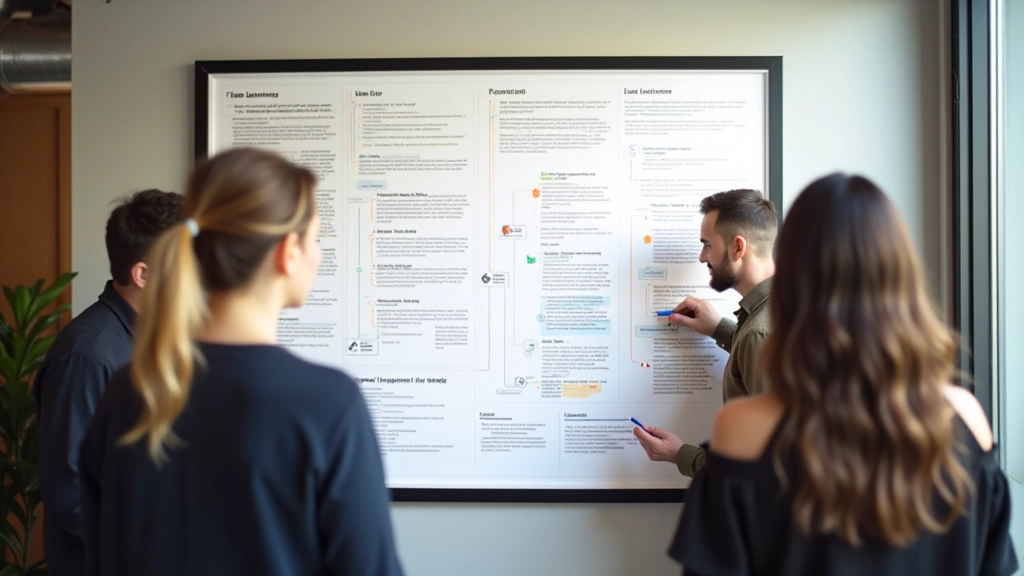
The best journey maps tell a story. Use clear labels, consistent iconography, and visual separation of touchpoints. Include emotion curves—show where users feel frustrated or delighted. Avoid jargon. When presenting, walk people through a specific persona's journey step-by-step rather than expecting them to absorb the entire map at once. Physical printed maps in team spaces often generate better conversations than digital files.
What's the difference between user research and market research?
User research focuses on understanding how specific people interact with your product—their behaviors, frustrations, needs, and goals. Market research looks at broader trends, competition, and market size. You need both, but they serve different purposes. UX research directly informs design decisions, while market research informs business strategy. For design studios, user research typically drives the actual design work.