FlowMap Design Logo FlowMap Design Contact Us
Contact Us

UX Research and Wireframe Prototyping Workshop

User Journey Mapping for Vancouver Design Studios

Whether you're designing a new product, redesigning an existing interface, or mapping complex user flows, understanding how people actually interact with your work changes everything. This collection of guides covers the fundamentals of UX research methodologies, wireframe creation techniques, and user journey mapping strategies specifically tailored for design studios operating in Vancouver's creative landscape. We've focused on practical, hands-on approaches that you can implement immediately — no lengthy theory, just actionable insights backed by real design scenarios. You'll find resources on conducting user interviews, synthesizing research findings, prototyping wireframes efficiently, and visualizing user journeys in ways that resonate with stakeholders. The materials here reflect what works in fast-paced studio environments where time is limited but quality decisions are non-negotiable.

Featured Articles

Notebook with user research notes, sticky notes, and sketches spread across a workspace table

Conducting User Interviews That Actually Reveal Insights

Learn how to ask the right questions, listen actively, and extract genuine user needs from conversations without leading your participants.

12 min Intermediate July 2026
Read More
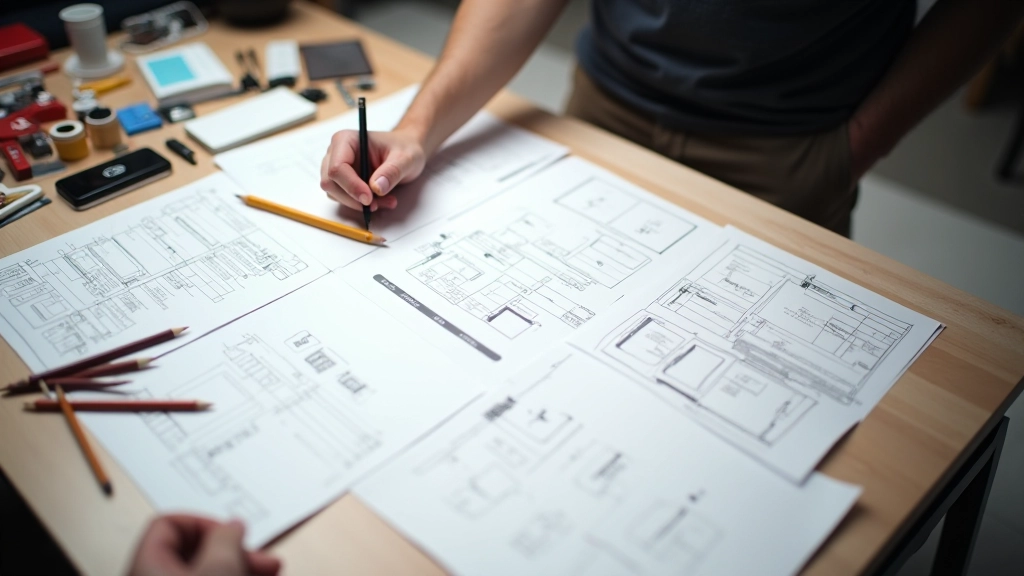
Designer sketching wireframe layouts on paper with pencil and ruler on light background

From Research to Wireframes: Making the Jump

A practical walkthrough on translating user research findings into concrete wireframe layouts that solve actual user problems.

10 min Beginner July 2026
Read More
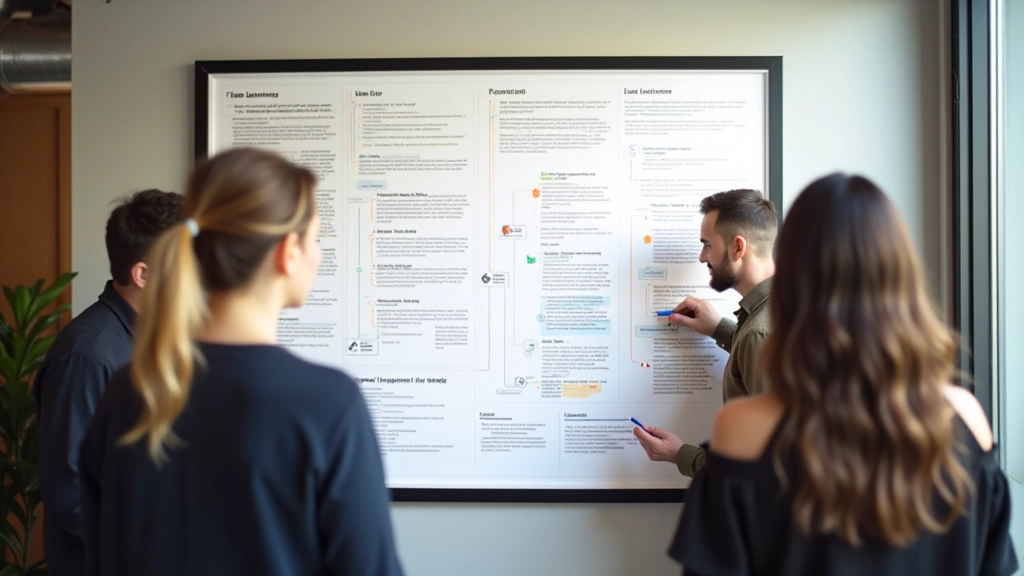
User journey map diagram printed and displayed on wall with colored markers and annotations

Mapping User Journeys Your Team Will Actually Use

Create journey maps that communicate clearly across teams—with the right level of detail and visual hierarchy to guide design decisions.

14 min Advanced July 2026
Read More
Multiple wireframe iterations and prototypes arranged on table showing design evolution and refinement

Rapid Prototyping: Testing Ideas Before They're Final

Quick techniques for building testable prototypes without spending weeks perfecting every detail—fail fast and learn faster.

9 min Beginner July 2026
Read More

Common Questions About UX Research and Wireframing

How much user research is enough before starting wireframes?

There's no magic number—it depends on your project scope and timeline. Most teams find that 5-8 quality user interviews reveal consistent patterns. You don't need perfection; you need enough insight to make informed design decisions. Many studios run 3-4 interviews initially, create wireframes, test those with users, then refine. It's iterative, not linear.

Should wireframes include visual design or stay low-fidelity?

Low-fidelity wireframes focus on layout, content hierarchy, and interaction flow—they deliberately avoid color and styling to keep conversations centered on structure. High-fidelity wireframes include visual design decisions. The choice depends on your stakeholders and testing goals. Early-stage exploration? Stay low-fidelity. Presenting to clients who struggle with abstraction? Add more visual detail.

How do you communicate user journey maps to non-design team members?

The best journey maps tell a story. Use clear labels, consistent iconography, and visual separation of touchpoints. Include emotion curves—show where users feel frustrated or delighted. Avoid jargon. When presenting, walk people through a specific persona's journey step-by-step rather than expecting them to absorb the entire map at once. Physical printed maps in team spaces often generate better conversations than digital files.

What's the difference between user research and market research?

User research focuses on understanding how specific people interact with your product—their behaviors, frustrations, needs, and goals. Market research looks at broader trends, competition, and market size. You need both, but they serve different purposes. UX research directly informs design decisions, while market research informs business strategy. For design studios, user research typically drives the actual design work.